EXTRACURRICULAR ACTIVITY: MOVIE SCREENING “NANNY MCPHEE” (2005)
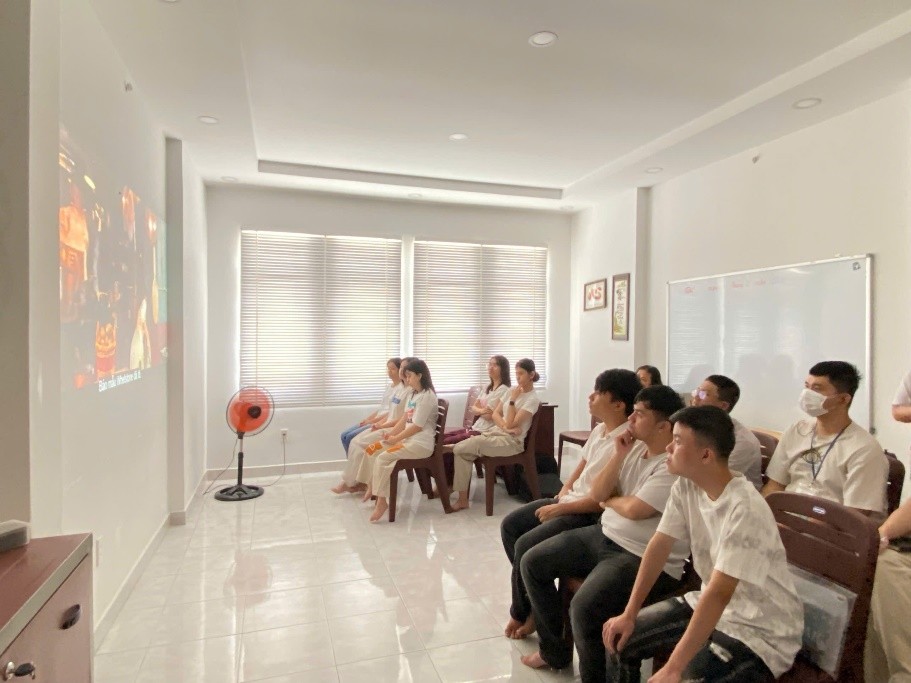
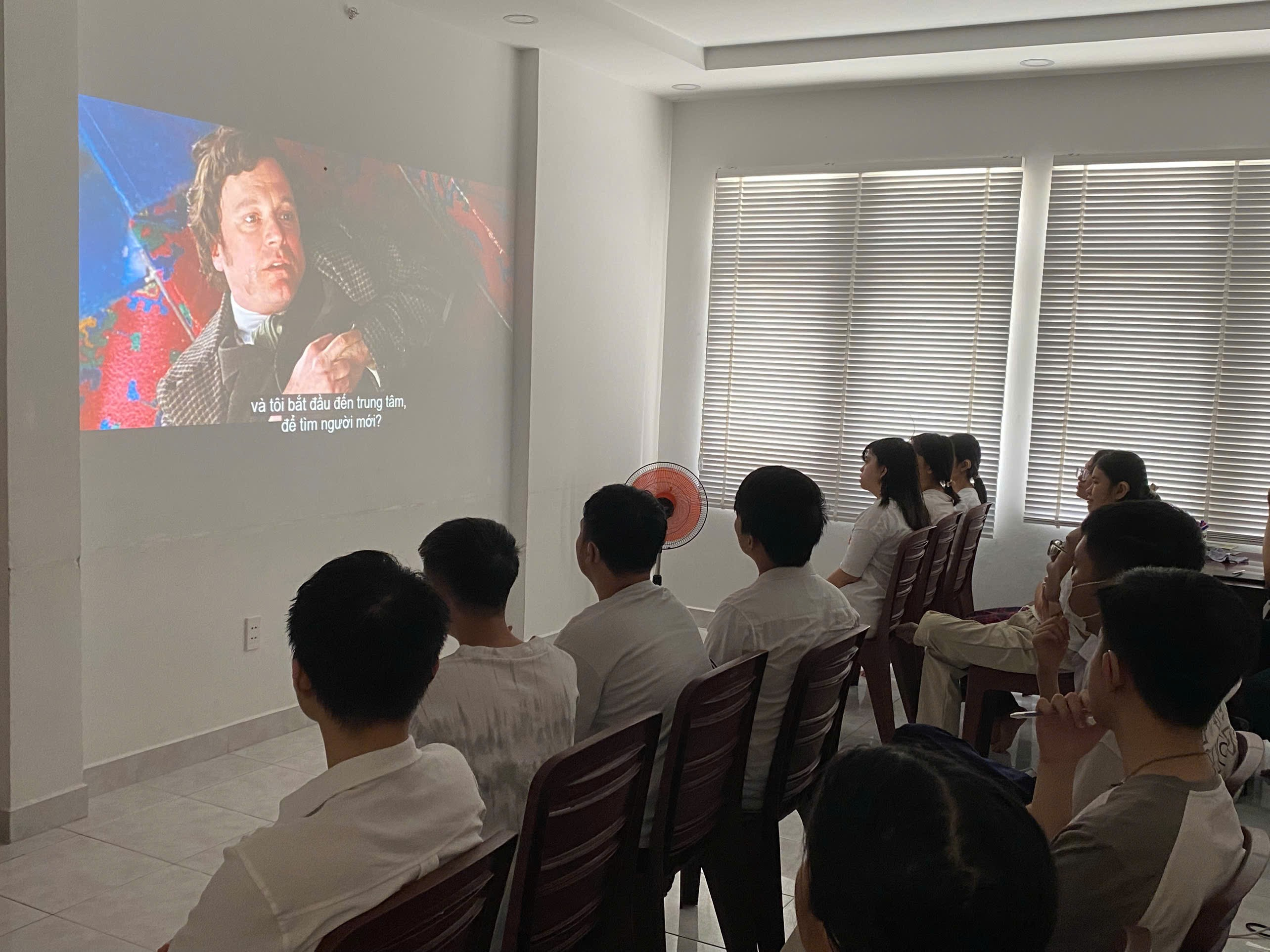
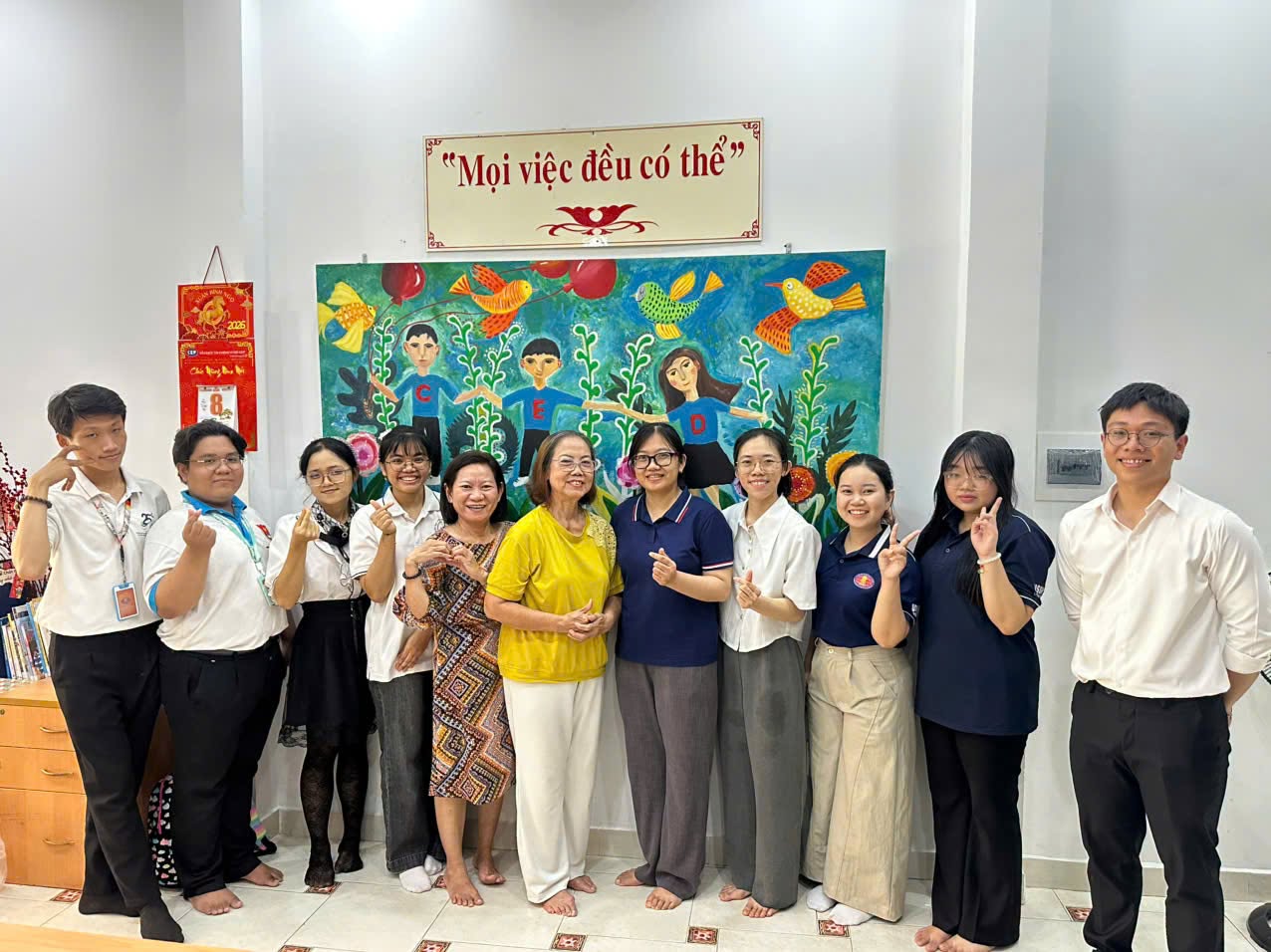
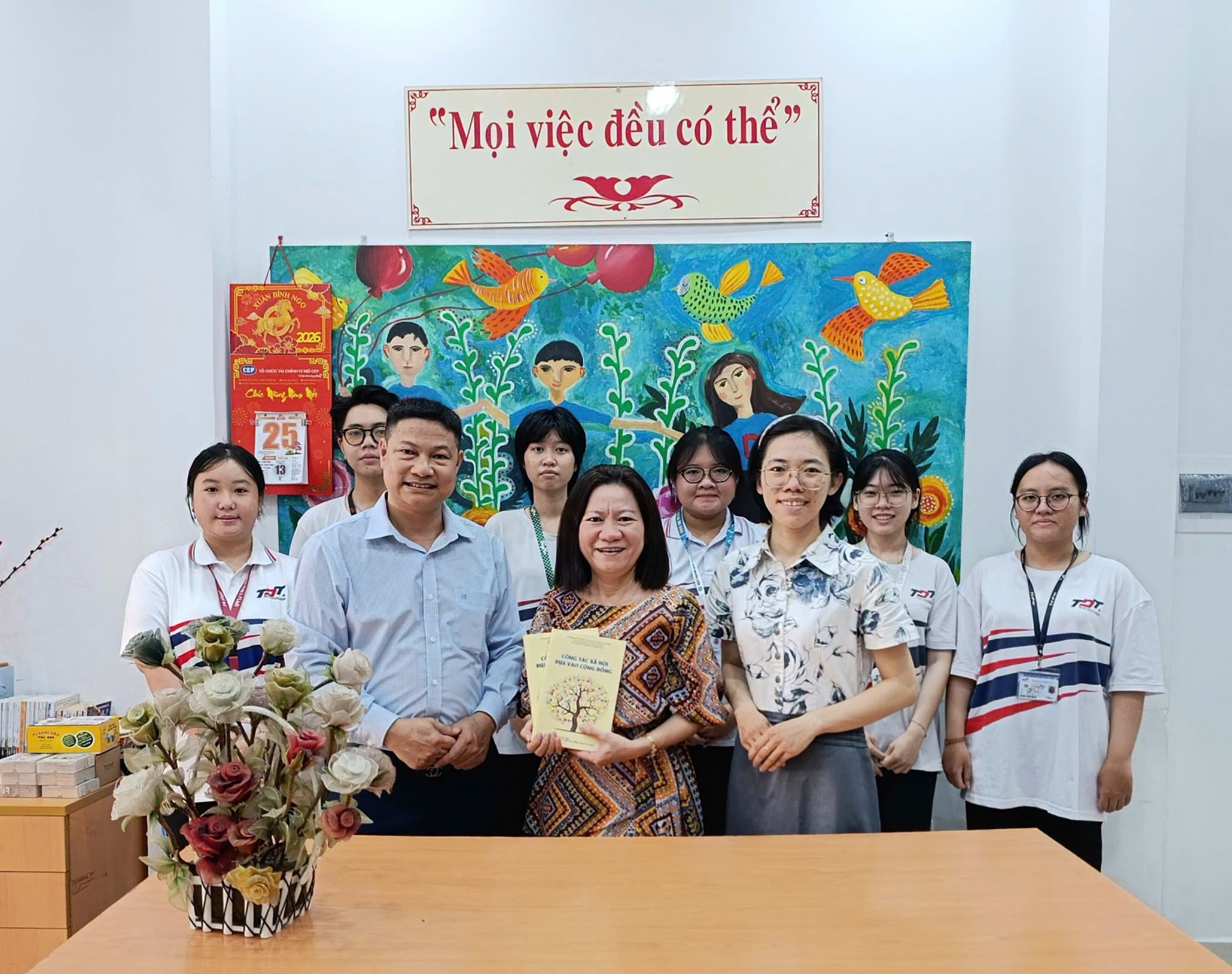
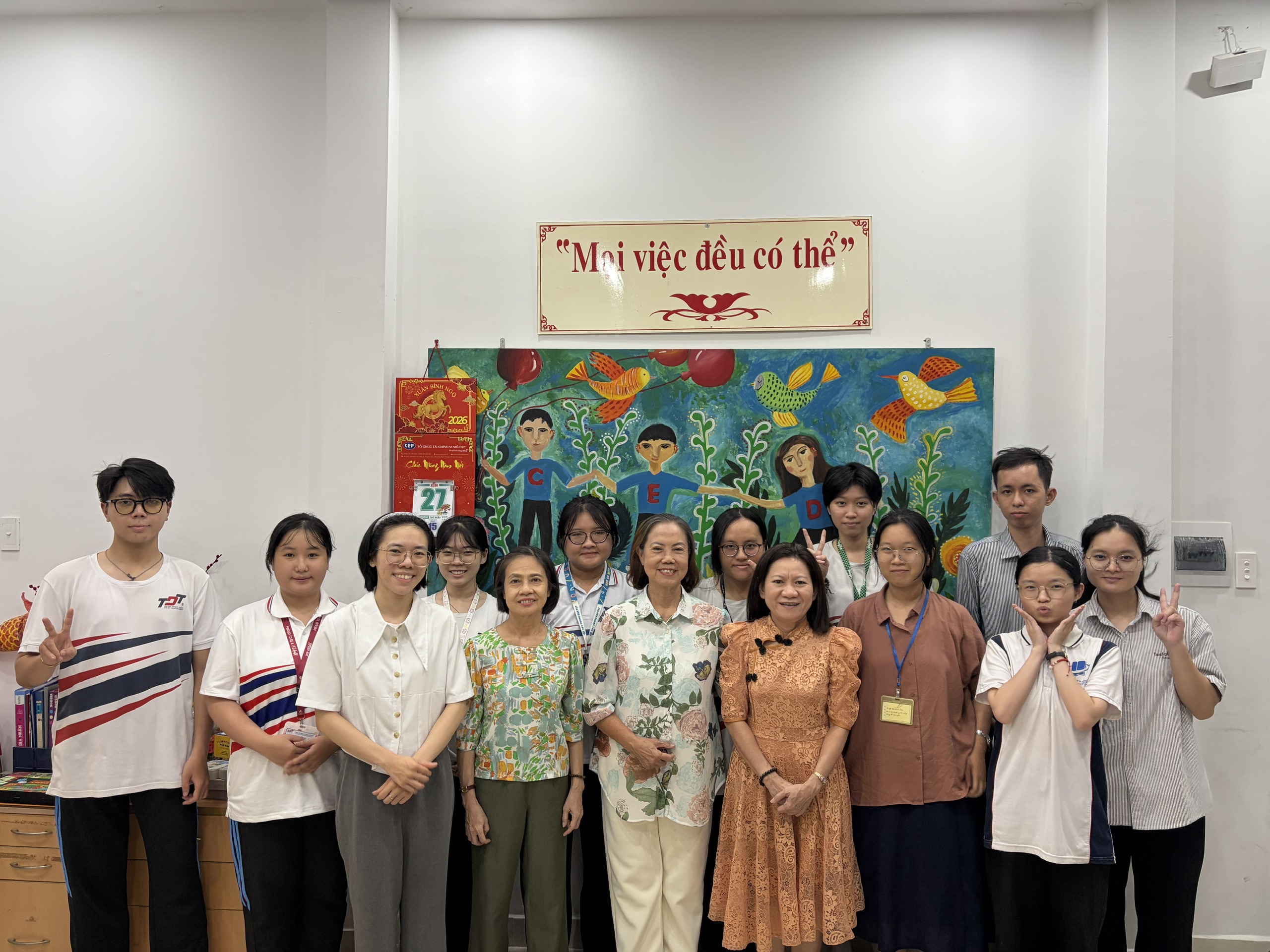
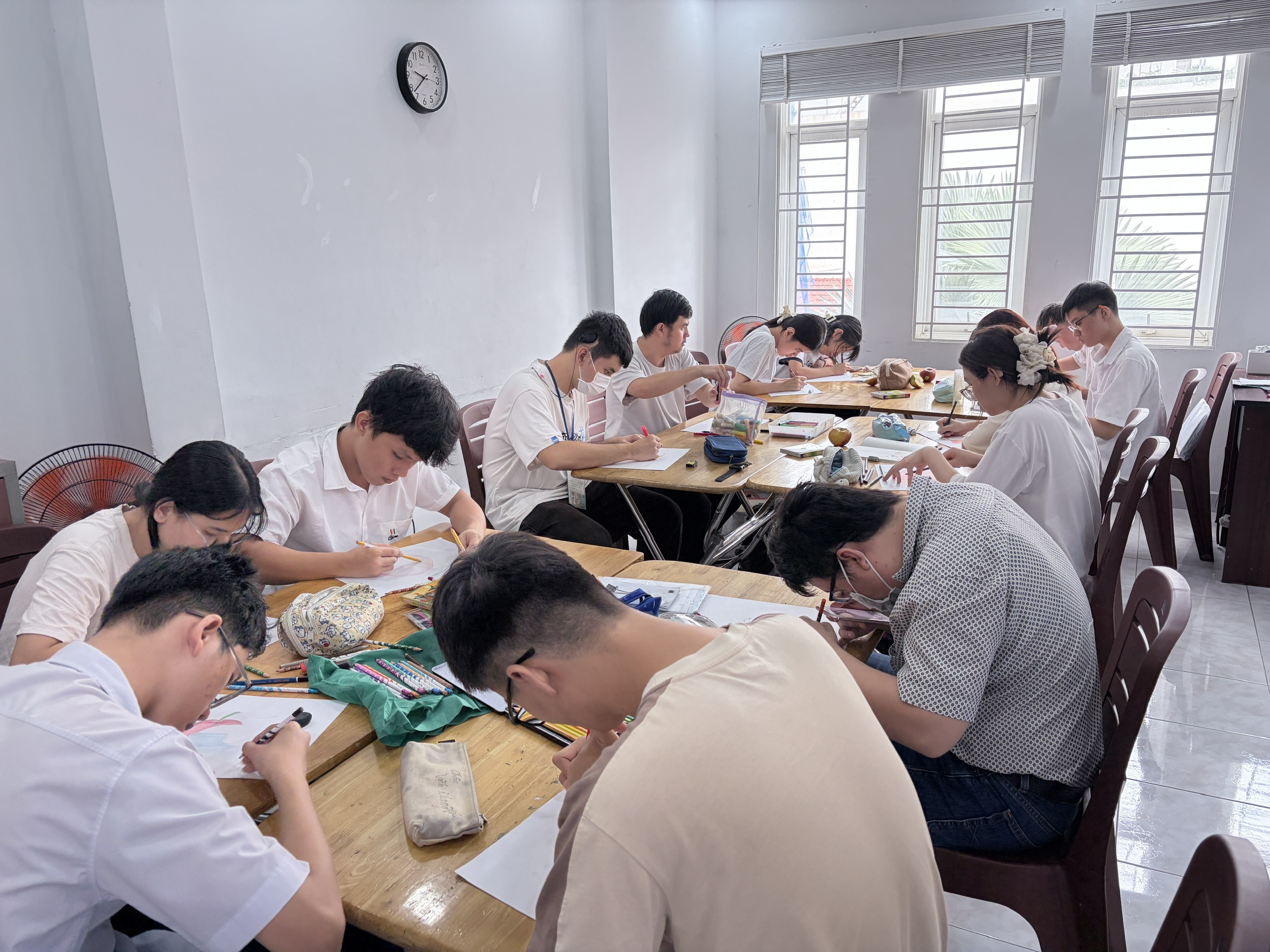
On June 12, 2026, students at the Center for Research and Education of the Deaf and Hard of Hearing (CED) participated in an exciting extracurricular activity: watching the movie “Nanny McPhee” (2005).
The movie revolves around the family of Mr. Cedric Brown, a widowed funeral director. He struggles alone to raise his seven mischievous children, led by the eldest son, Simon. Due to the lack of a mother's care and their father's busy schedule, the children constantly pull horrific pranks to drive away every single nanny.
The pressure on Cedric intensifies when his aunt, Lady Adelaide, threatens to cut off her financial support unless he remarries within a month. If that happens, his family will go bankrupt and the children will be sent to an orphanage.
At his most desperate moment, Nanny McPhee appears at their doorstep. She is a nanny with a peculiar appearance and a powerful magic walking stick. Instead of using harsh words or physical punishment, Nanny McPhee uses her magic to turn the children's mischievous pranks into unforgettable "lessons," forcing them to take responsibility for their own actions. Through each event, the Brown children gradually change. They become well-behaved, loving, and more united.
Every time the children learn a lesson and behave properly, one of Nanny McPhee's unsightly facial features disappears. By the end of the movie, when order and happiness are restored, Nanny McPhee has transformed into a beautiful woman. She quietly leaves once her mission is complete.
Ultimately, the philosophy: “When you need me, but do not want me, then I must stay. When you want me, but no longer need me, then I have to go” serves as a reminder that the ultimate goal of parents and teachers is always to empower children to confidently walk on their own two feet.
The movie “Nanny McPhee” (2005) delivers a powerful message to young audiences: “Growth comes from understanding and independence.” When facing difficulties, children should share and listen to their parents instead of acting out. Discipline is not about imposition; it is a form of protection that teaches us accountability. When we live obediently, do good deeds, and have the courage to stand on our own feet, the world around us becomes a much better place.