CED ATTENDS NATIONAL SCIENTIFIC CONFERENCE ON ACCESSIBILITY FOR PERSONS WITH DISABILITIES: INTERNATIONAL EXPERIENCE FOR VIETNAM
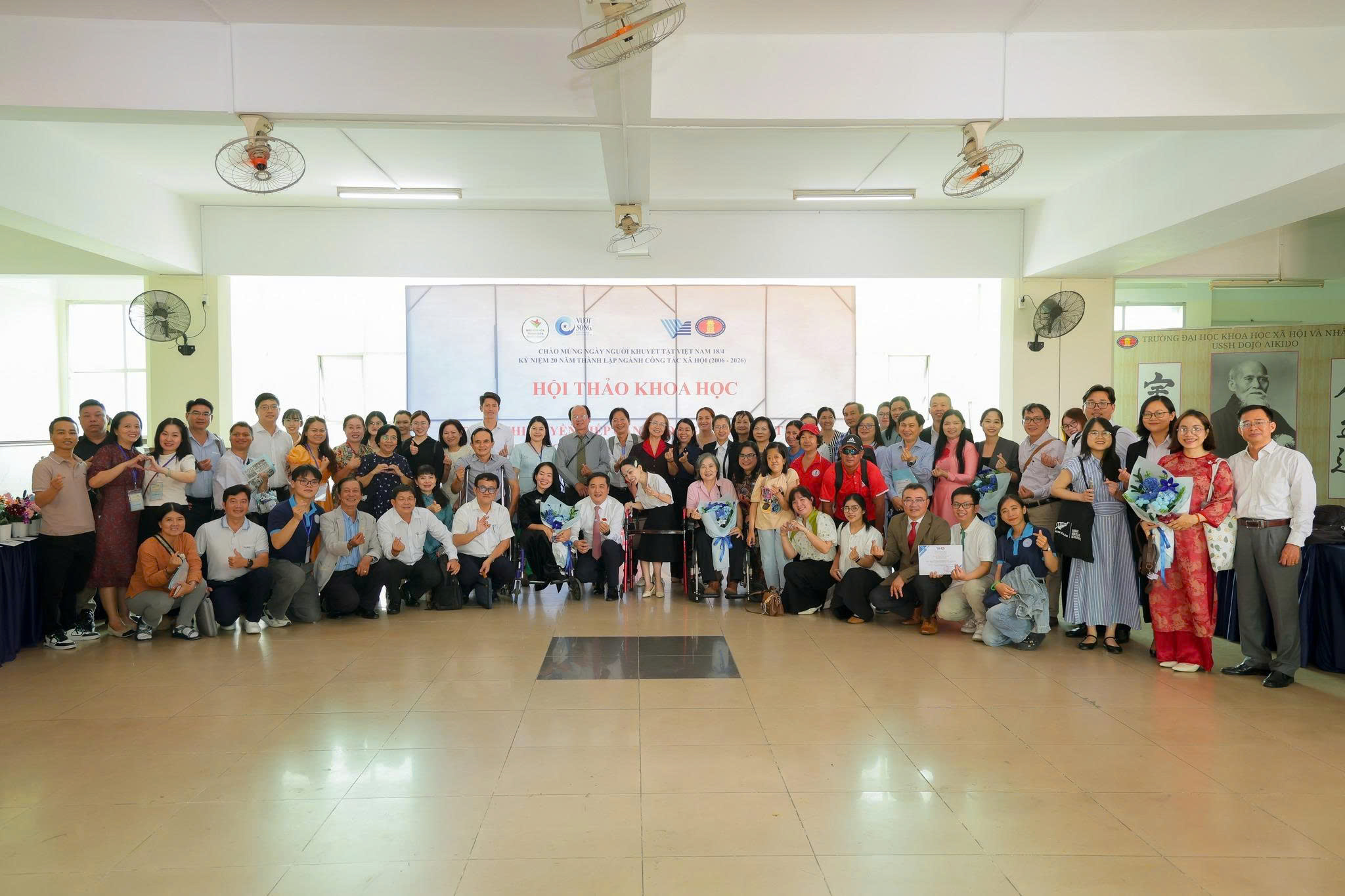
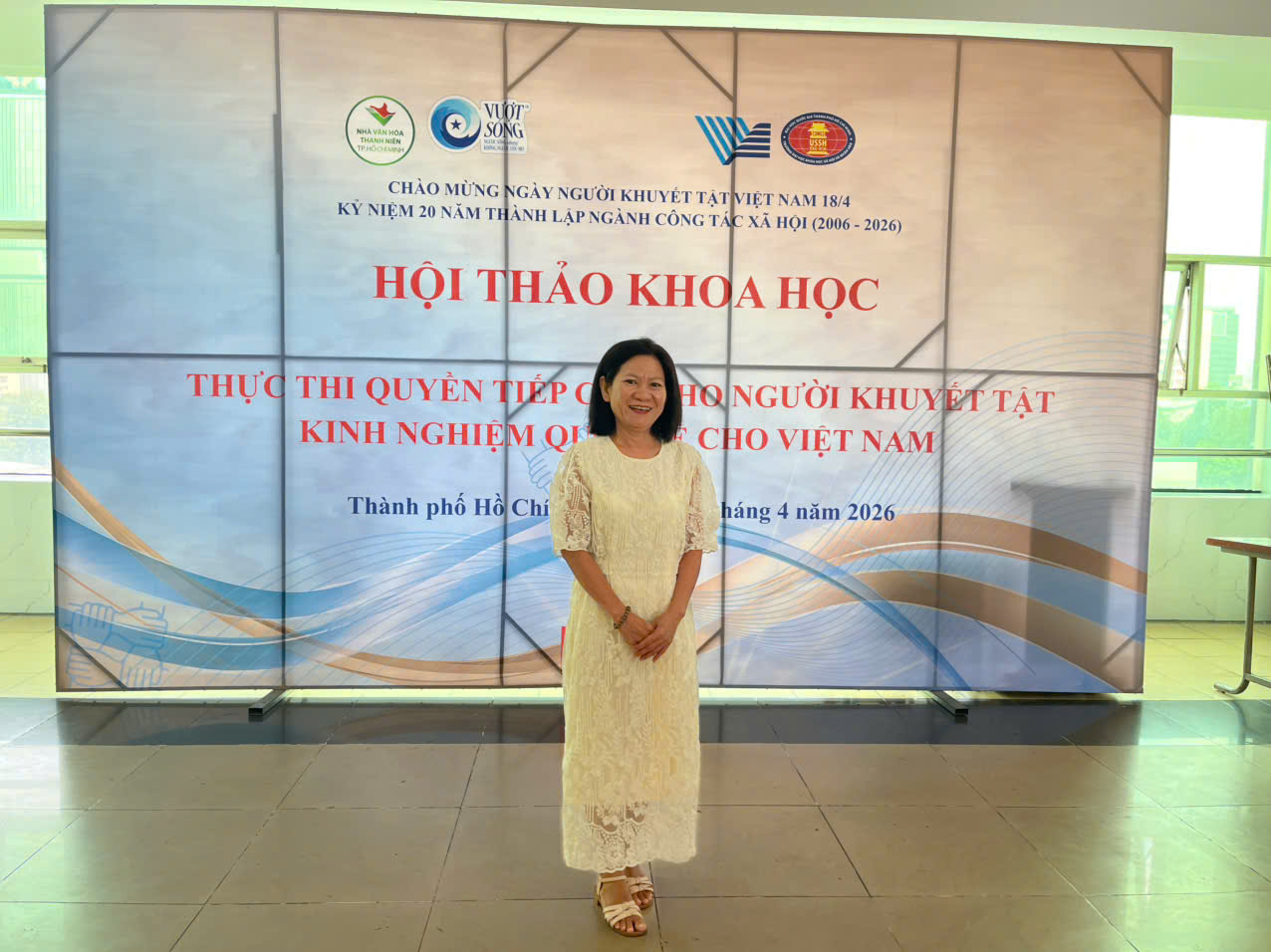
On April 18, 2026, Ms. To Thi Bich Phuong – Vice Director of the Center for Education and Development of the Hearing Impaired (CED) – represented CED at the National Scientific Conference: "Enforcing Accessibility Rights for Persons with Disabilities: International Experience for Vietnam."
The event was organized by the University of Social Sciences and Humanities, Vietnam National University Ho Chi Minh City, in collaboration with the "Vuot Song" community project. This conference marked the anniversary of Vietnam’s Day for Persons with Disabilities (April 18) and the 20th anniversary of the university’s Social Work Department. The event provided CED with valuable insights from both local and international perspectives, contributing to more effective support for the hearing-impaired community in the digital era.
During the conference, experts emphasized a significant paradigm shift from "charity-based" or "medical-based" models to a human rights-based approach. Accessibility is no longer limited to removing physical barriers; it also involves ensuring psychological experiences rooted in respect, safety, and a sense of social belonging. Notably, Artificial Intelligence (AI) was highlighted not just as a technical aid but as a catalyst for internal motivation and learning emotions, enhancing autonomy for persons with disabilities when guided appropriately. Furthermore, advanced educational frameworks such as Universal Design for Learning (UDL) and Individualized Education Programs (IEP) were identified as keys to improving the quality of special education.
Rooted in CED's mission and belief that "If they have the opportunity to study and work, they can do everything", CED has been progressively applying these advanced models into practice:
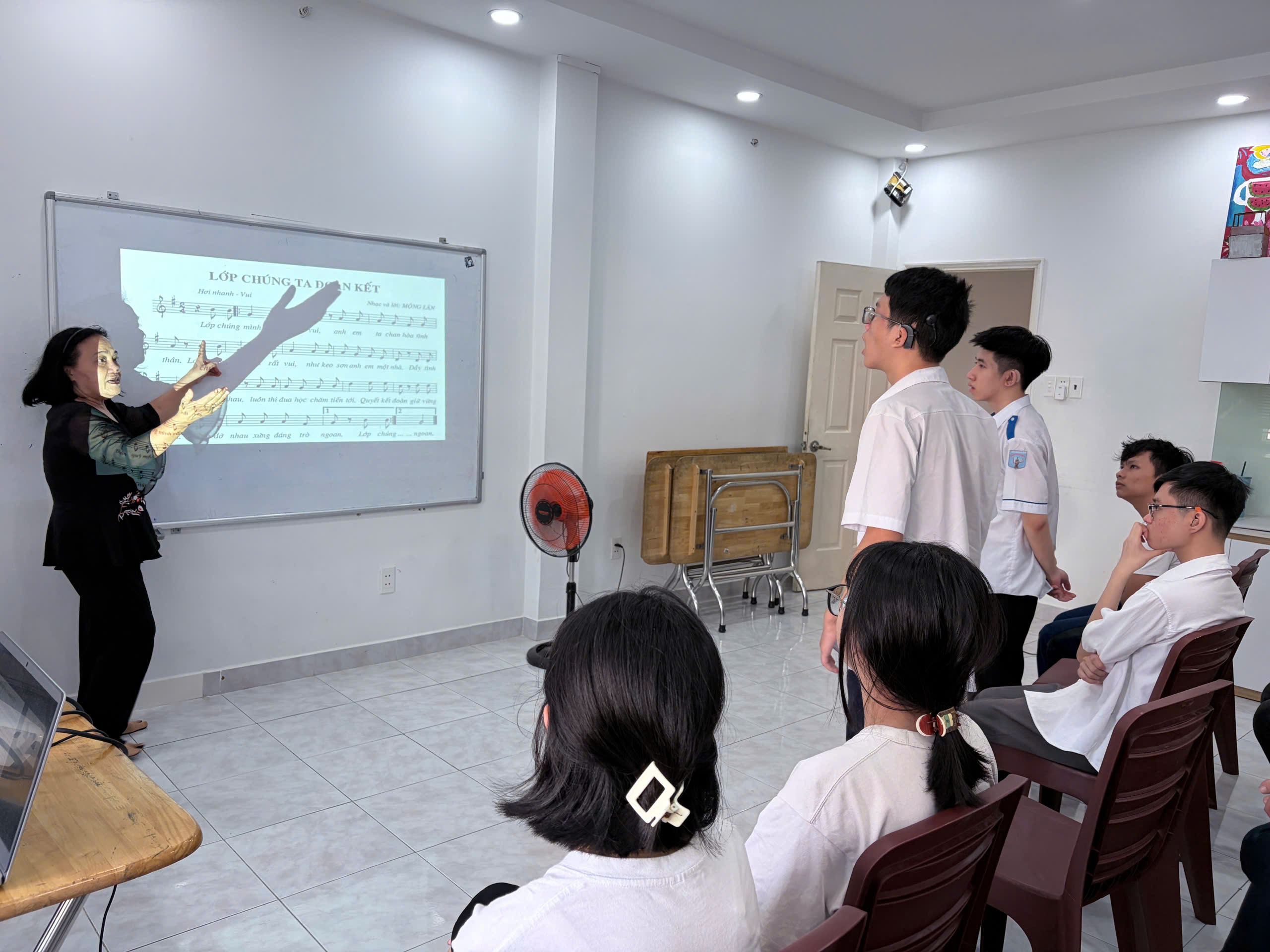
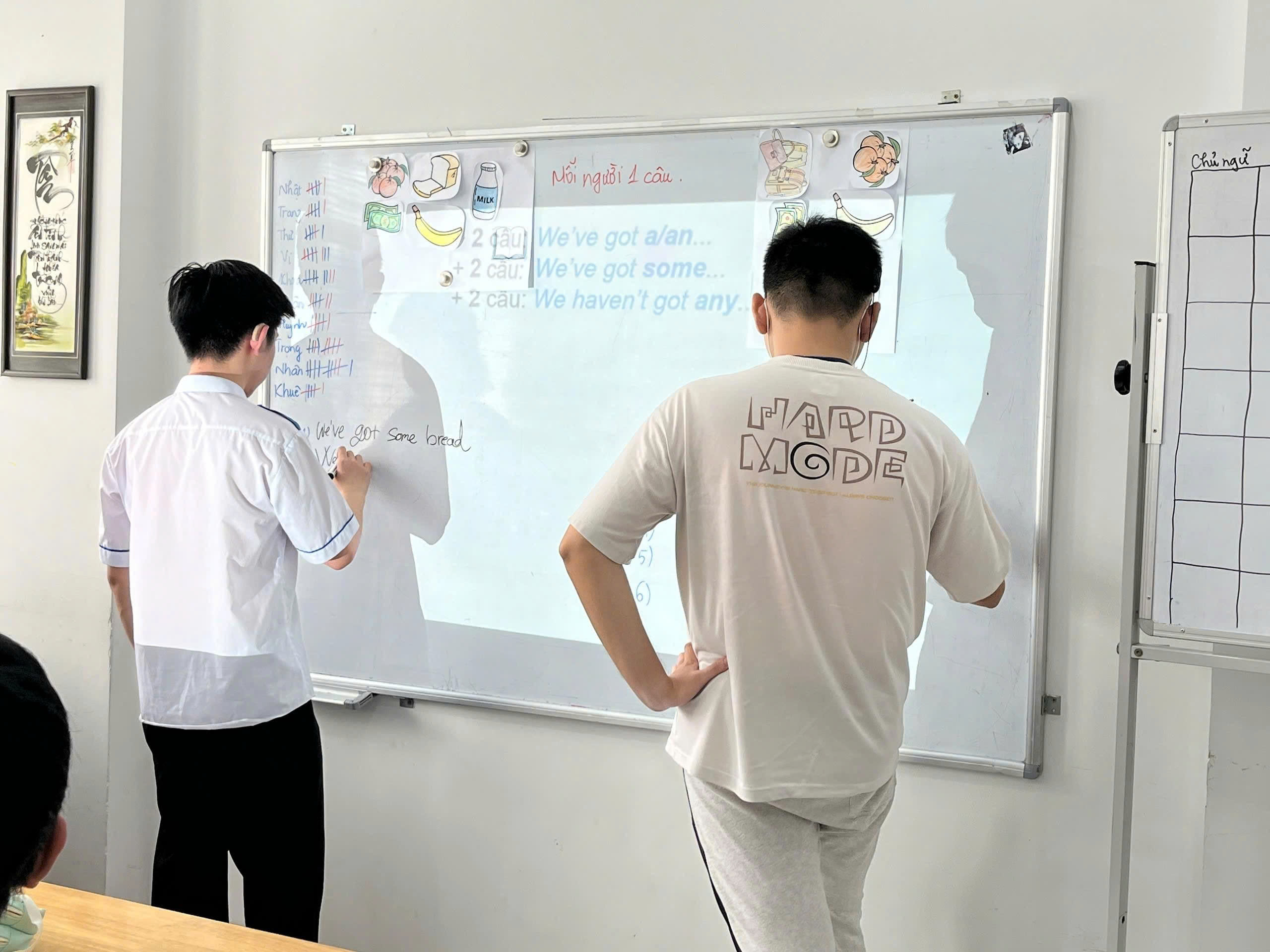
- Individualized Education Programs (IEP) & Universal Design for Learning (UDL): Developing specialized pathways for each student to ensure an equitable learning environment and maximize individual potential.
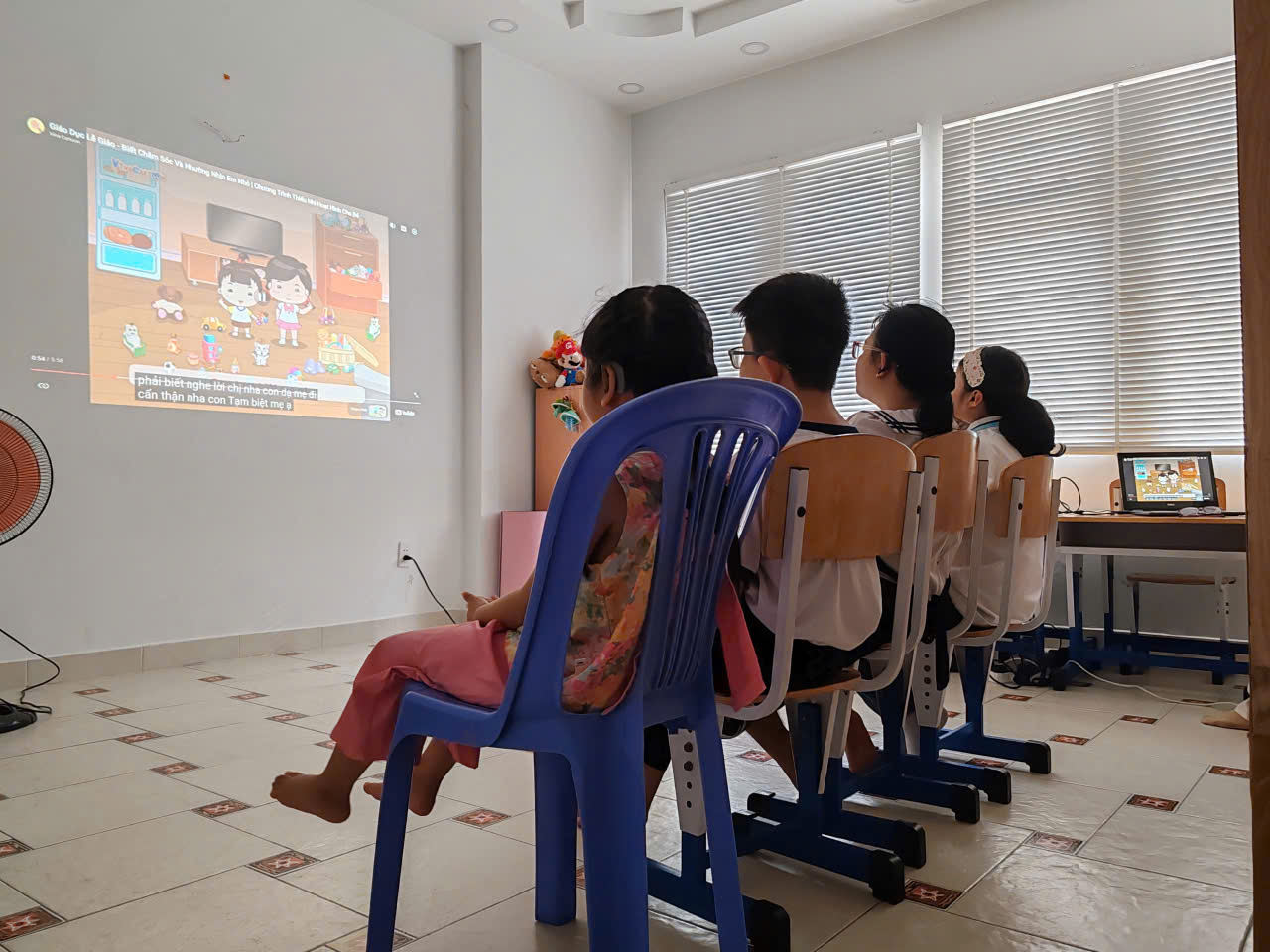
- Digital Transformation in Social Work: Utilizing remote support platforms and digital tools to eliminate information barriers, creating seamless connectivity for hearing-impaired students.
- Mastering AI Technology: Equipping students with skills to use AI in communication and learning, while establishing monitoring mechanisms to prevent over-dependence on technology.
- Family-Based Intervention Model: Expanding specialized skill training for parents, enabling them to become direct and effective partners in their children’s therapy and home education.
By participating in this conference, CED once again reaffirms its vision: Transitioning from mere support to the actual enforcement of accessibility rights is the key to ensuring that persons with disabilities and the hearing impaired in particular do not just "go to school," but truly integrate and thrive. This serves as the foundation for the hearing-impaired community to confidently participate in and contribute to the general development of society and the country in the digital age.